In today’s rapidly evolving world of the internet and technology, our shopping and payment habits have changed swiftly. The increased frequency of online payment transactions in our daily lives has introduced new solutions in payment methods. Many businesses have moved their processes into the online world to align with their target audience’s preferences, reach similar potential target groups more quickly, and enhance or simplify the customer experience.
So, what are the payment methods that businesses can opt for recently? In this article, we will answer the questions about the payment methods and their advantages that businesses can use in their online payment processes.
What is Online Payment?
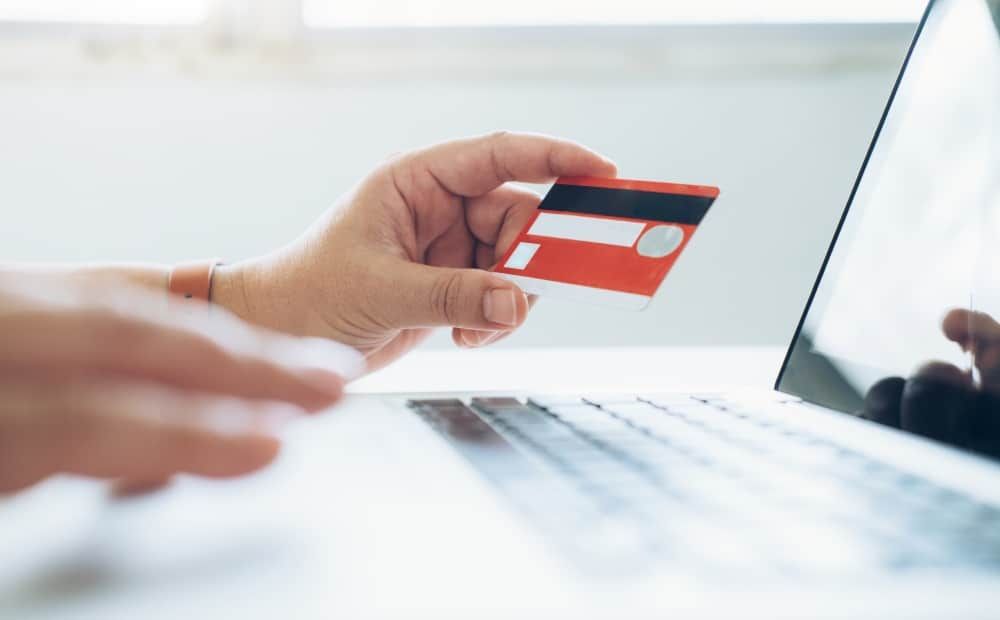
Online payment, which has become an integral part of our daily lives, refers to payments made through an electronic medium for desired products or services. Online payment methods are software solutions that facilitate payments over the Internet.
It is crucial for businesses operating in e-commerce or online payment areas to provide their customers with a high-quality shopping experience using the correct payment methods. Regardless of a business’s size and model, they should design payment processes to best suit their target audience.
What Are the Most Preferred Payment Methods by Consumers?
At this stage of e-commerce’s development, accepting payments through credit or debit cards has become necessary for businesses of all scales. The category of payment options is expanding under the payment methods, making it essential to adapt.
We can answer which payment methods consumers prefer today:
Payment with Credit and Debit Cards
Credit cards, widely used daily, are one of the most preferred online payment methods. Making a payment with a credit or debit card is as simple as entering the card number, expiration date, and CVC code on the payment page.
Debit cards (often referred to as bank cards) are generally preferred by customers who want to shop online within their existing financial limits.
The fundamental difference is that with a debit card, you can only make payments using the money currently in your bank account. With a credit card, the spent amount is billed, and payments are made at the end of a billing cycle. Additionally, credit cards often allow for installment payments (depending on the country and bank), which is typically not an option for debit cards.
You can get more detailed information on payment systems here.
Payment with Prepaid Cards
Although not as widely used as credit and debit cards, prepaid cards are also among online payment methods. Users load a predetermined amount onto these cards and spend accordingly. While the adoption rate of prepaid cards is low, they are becoming more popular in specific niche categories.
Payment via Wire Transfer/EFT
This method is used not only by small-scale businesses but also by B2B companies or businesses with high transaction volumes that wish to avoid card processing fees.
Payment via E-Wallets
E-wallets have gained considerable attention as a payment method. They offer convenience by eliminating the need to enter information every time a payment is made online. E-wallets accessible to end-users are also used for payment processes in marketplaces.
Payment with E-Money
E-money is the electronic storage of monetary value on a technical device used for online payments. The device is a bearer prepaid tool that does not necessarily contain bank accounts.
Mobile Payment
The mobile payment method allows for a fast completion of purchases. The product or service amount is charged to the owner’s phone bill in mobile payments.
What Payment Methods Can Businesses Use for Online Payments?
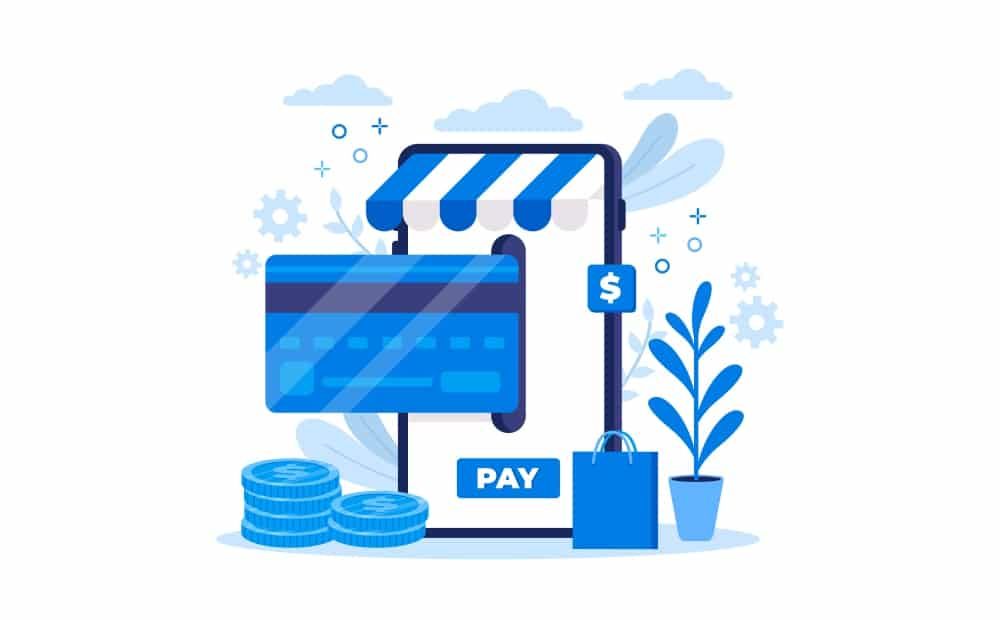
As mentioned earlier, payment methods are one of the most critical aspects of online shopping processes. Due to evolving technologies and changing consumer habits, businesses are inclined to include different payment methods in their systems to offer alternatives to their customers. Online businesses can list the following options for payment processes:
Bank Virtual POS Terminals
Bank virtual POS terminals are web-based payment solutions that enable businesses to accept customer payments using credit or debit cards. While each bank’s requirements and integration processes may differ, obtaining virtual POS terminals generally follows a similar process. Businesses apply to banks for virtual POS terminals. Once the requirements are met, they can integrate the relevant virtual POS terminals into their systems by agreeing on commercial processes like commissions, installments, interest rate differences, or payment terms.
Payment Service Providers
Payment service providers are organizations that provide online payment methods. They accommodate virtual POS terminals from different banks within their infrastructure and complete the payment process using their infrastructure.
Alternative Payment Methods:
Alternative payment methods are unique and different from traditional ones. As a result, alternative payment methods enable businesses to offer new options to customers during the payment process. Examples include meal cards and e-money companies, which allow payment for food and drinks.
Global Payment Methods:
Businesses that want to receive payments from abroad can start accepting payments by making agreements with international payment service providers like Stripe, Payoneer, PayPal, Klarna, and AliPay. Each global payment provider has different requirements.
Payment Orchestration Platforms:
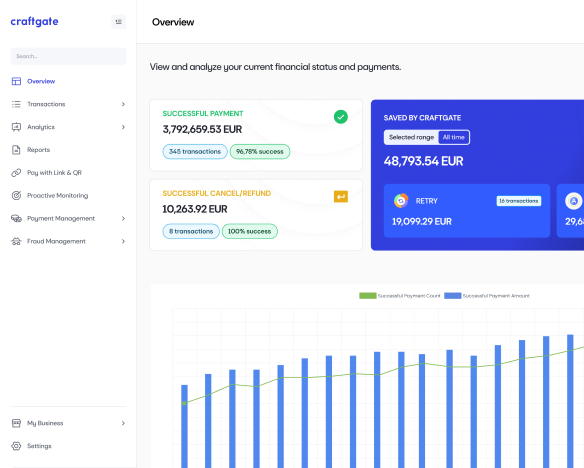
Managing multiple payment methods (Banks, PSPs, APMs) separately can create operational chaos. This is where Payment Orchestration Platforms come in. Unlike standard payment gateways that simply provide a technical pipe, orchestration platforms allow online businesses to manage all the payments mentioned above from a single center intelligently.
Through a Payment Orchestration Platform, businesses can integrate bank virtual POS terminals, payment/e-money providers, and alternative/international payment methods into their systems from one point.
For instance, through the Craftgate Payment Orchestration Platform, businesses can:
- Technically integrate with all the mentioned payment methods in one go via its gateway infrastructure.
- Independently decide which payment methods to use and route transactions to the most cost-effective provider using Smart and Dynamic Payment Routing.
- Increase payment success rates through Autopilot, which automatically switches to a backup provider during downtimes.
- Minimize payment errors and provide a smooth payment experience to their customers.
You can find more information about how payment orchestration works and the advantages of the Craftgate platform here.
Which Payment Methods Offer Advantages to Businesses?
Indeed, there are numerous payment methods that consumers can prefer and that businesses can offer to their customers.
When deciding which online payment methods to use, businesses should prioritize the method that best fits their business dynamics. Therefore, businesses should determine their online payment volumes, customer payment preferences, and payment process expectations. For instance, the commission payments that will be added to the expense item of a business generating a few million Turkish Liras in monthly revenue will differ from those of businesses with lower payment volumes.
Over time, businesses with growing online payment volumes should also consider managing operational processes efficiently. Managing each payment provider’s or bank’s systems through separate panels can lead to time loss, increased workload, and higher costs.
At this point, businesses can easily manage all their online payment methods from a single point using Payment Orchestration. This way, they can take advantage of operational efficiency and cost optimization services provided by the platform.
You can contact us to learn more about Craftgate Payment Orchestration and its value-added services.