Expanding into international markets gives businesses an opportunity to reach new customers. Turning that opportunity into sales requires a payment experience that fits the target market, alongside the commercial and operational preparation needed to sell abroad.
This guide explains how to plan international payment acceptance, evaluate providers and payment methods, and manage multi-currency payment operations. It also explores how Craftgate's payment orchestration technology helps businesses integrate their contracted providers and manage those connections from a single point.
International Trade and the Role of Global Payments
International trade involves the sale and purchase of goods or services across borders. For businesses, this can involve selling through a localized website, operating in several markets, or using marketplace platforms. The chosen sales channel affects how much control the business has over its checkout and payment arrangements.
Payment acceptance is one part of that wider operation. Businesses also need to plan their commercial agreements, invoicing, delivery, logistics, and any relevant customs processes. A payment strategy should fit the way the business sells and serves customers in each market.
International expansion can create several opportunities:
- A broader customer base: New markets can introduce products and services to customers beyond the domestic market.
- Competitive differentiation: Businesses can identify markets where their offering meets a particular customer need.
- Continued demand: A product's relevance and stage of adoption can differ between markets.
- Payment planning: Understanding agreed payment schedules helps businesses plan their cash flow.
- Market diversification: Serving several markets can reduce dependence on demand in a single country.
Revenue and profitability depend on demand, operating costs, payment terms, and the economics of the chosen markets. Payment planning helps businesses assess these factors as part of their expansion strategy.

How to Build an International Payment Strategy
Understand Customer Preferences in Each Market
Payment habits vary between countries and customer groups. Card payments, bank transfers, digital wallets, cash on delivery, and financing options can have different roles in different markets. Research the methods your intended customers know and use, and design the checkout around the options relevant to them.
The payment experience should also fit the business's sales channel. A company operating its own website can plan its checkout and provider connections directly, while a business selling through a marketplace needs to consider that platform's payment arrangements.
Evaluate Commercial and Operational Requirements
Before selecting a provider, review its merchant eligibility requirements, supported countries, available payment methods, currencies, pricing, and settlement terms. Some providers or services may require a local business presence or particular documentation. The relevant requirements should be checked for the specific provider and market.
Compare payment costs alongside the wider cost of operating in the market. Commission arrangements, currency-related charges, and payment timing all affect the commercial evaluation. This helps businesses choose a setup that fits their sales model and financial planning.
Prepare the Wider Trade Operation
Research the requirements relevant to the goods or services being sold, including invoicing, reporting, delivery, and customs documentation where applicable. In goods trade, ICC's Incoterms rules can clarify the allocation of delivery obligations, costs, and risks between buyer and seller. Payment timing, method, and currency should be agreed separately in the sales contract.
Choose Payment Methods That Fit the Target Market
Card Payments and Other Online Methods
Credit, debit, and prepaid cards are card payment options. Their suitability for an international checkout depends on the merchant's acquiring setup, the cards accepted, and the provider's capabilities. Businesses should confirm foreign-issued card acceptance and supported currencies with their contracted provider.
Digital wallets, bank-based methods, and other local payment options may also be relevant. For an overview of these categories, read our guide to online payment methods.
Alternative Payment Methods
Familiar local methods can help customers feel comfortable at checkout. The appropriate mix depends on the market, customer preferences, and the business's eligibility to offer each option. Availability and commercial conditions should be evaluated alongside technical integration support.
Craftgate's Alternative Payment Methods capabilities help businesses add supported options to their payment flows through a shared integration.
Buy Now, Pay Later
Buy now, pay later (BNPL) products let eligible customers defer a purchase payment or spread it across instalments. Interest, fees, repayment schedules, and eligibility depend on the specific product, provider, and market. Businesses should evaluate the relevant terms when deciding whether to offer a BNPL option.
Closed-Loop Wallets for Repeat Purchases
A merchant's closed-loop wallet supports customer activity within that merchant's own website or application. Businesses can use wallet accounts for loyalty points, coupons, and campaign rewards as part of their repeat-purchase strategy.
Craftgate's Closed-Loop Wallet provides technical tools for managing these accounts and incorporating their use into the merchant's payment flows.
Two Main Approaches to Accepting Payments from Abroad
Use Existing Domestic Provider Relationships
A business in Türkiye may be able to use its existing bank virtual POS or payment institution relationships for international sales. It should first confirm that its agreement and technical setup support the intended foreign-issued cards, transaction currencies, and sales activity.
This approach can help a business begin exploring demand in a new market using its existing relationships. Payment outcomes still depend on the transaction, issuer, provider, and configured acceptance capabilities. These factors should be assessed when planning and reviewing the payment flow.
Work with Providers Serving the Target Market
Another approach is to establish relationships with providers offering payment services or local methods in the target market. This can help businesses offer a checkout that fits local customer preferences and evaluate commercial terms relevant to that market.
International payment providers and services include names such as Klarna, Stripe, PayPal, Braintree, Payoneer, Afterpay, Alipay, Clearpay, and PayTabs. Their products, merchant requirements, and country coverage differ. Evaluate the current offering relevant to your business, and confirm which connections are supported by your technical platform.
With Craftgate, the activation process starts by selecting a supported provider with a ready integration, completing its commercial requirements, and configuring the provider details in the merchant panel. The International Payment Methods page explains this approach; the Craftgate team can confirm current integration coverage for a target market.
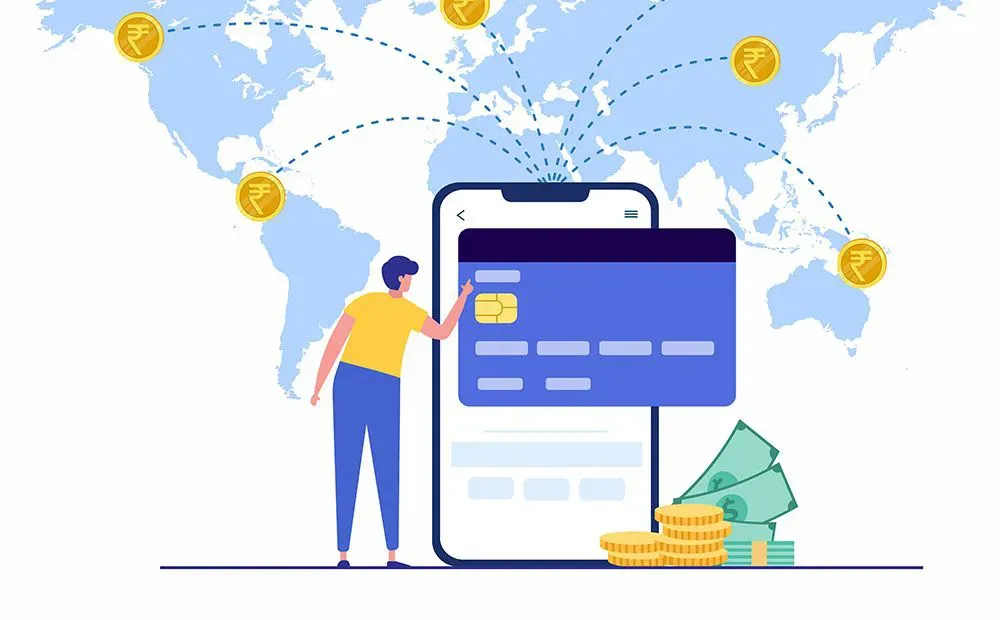
Manage Multi-Currency Payment Experiences
Currency is an important part of localizing the payment experience. Businesses should identify which transaction currencies their customers need and confirm the supported setup with their payment providers.
Craftgate's Multi-Currency Payments Solution supports payment flows in a range of currencies, including USD, EUR, and GBP. The currencies available for a particular merchant flow depend on the connected provider and its configuration. Businesses can use supported integration models, including Payment Form and Common Payment Page, to build their multi-currency checkout experience.
Currency-level reporting also helps teams review international payment activity. Through the merchant panel, businesses can generate reports by currency and analyze payment outcomes across their configured operations.

How Payment Orchestration Supports International Operations
Working across markets can involve several providers, payment methods, currencies, and reporting needs. Payment orchestration helps businesses manage the technical connections and operational actions involved in this setup.
Bring Supported Provider Connections Together
A shared integration reduces the need to build and maintain a separate connection for every supported provider. Businesses can configure their contracted providers through Craftgate and manage those connections from a unified panel as their operations expand.
Apply Commercial Routing Rules
Craftgate's Smart and Dynamic Payment Routing lets businesses define routing rules based on their commercial agreements. Payment requests can be directed to the most advantageous eligible provider under those rules, helping businesses apply their negotiated terms and manage payment-related costs.
Address Downtime and Retry-Eligible Transactions
Autopilot monitors virtual POS connections for signs of downtime. When an affected connection or transaction flow is temporarily disabled, incoming requests can be routed to an available contracted alternative according to the configured setup. The affected connection is reactivated when it becomes operational again.
Payment Retry works on individual transactions that fall within retry-eligible error groups. It can retry an affected transaction through a suitable alternative contracted virtual POS under the business's routing configuration. These tools address different sources of payment disruption and help businesses make use of their available provider connections.
Centralize Reporting and Analysis
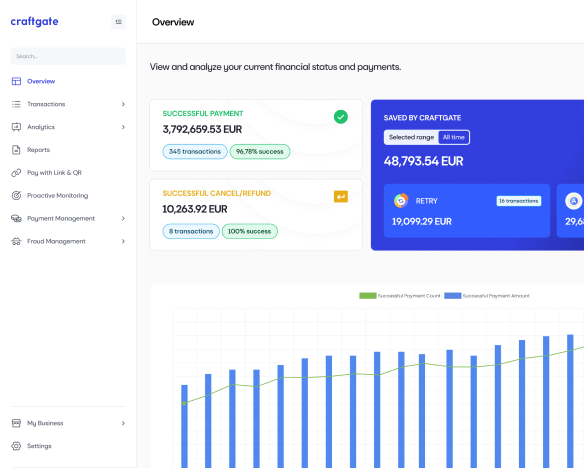
Craftgate's Advanced Merchant Panel gives teams a central place to monitor payment activity and review transaction outcomes. Combined with currency-level reporting, this helps businesses evaluate international payment operations and identify areas that need attention.
Support a Familiar Customer Experience
Relevant payment methods, supported local currencies, and a clear checkout help customers understand how to complete their purchase. Managing these capabilities alongside provider connections lets businesses adapt the payment experience as they enter new markets or respond to changing customer needs.
Plan Your Next Market with the Right Payment Setup
Start with the target customer, the sales channel, and the payment methods and currencies needed in that market. Evaluate provider eligibility and commercial terms, confirm integration coverage, and prepare the configuration before activating the payment flow.
Craftgate's team can help businesses assess the supported technical connections and orchestration capabilities relevant to their plans. Contact the Craftgate team to discuss your target markets, provider relationships, and integration requirements.