Trust and speed shape the online payment experience. Customers need confidence that their information is protected, a payment method they recognize, and a clear way to complete their purchase. For e-commerce stores and subscription businesses, these expectations make the payment step an important part of customer satisfaction and retention.
Improving that experience involves checkout design, security, payment method selection, and operational reliability. This guide explains how these elements work together and how payment orchestration helps businesses manage them through a single technical integration.
The Importance of Trust in Online Payments
Customers may hesitate to complete a purchase if they are uncertain about a website or how it handles their payment information. That uncertainty can result in abandoned carts, lost sales, and damage to the relationship a business has built with its customers.
Baymard Institute reports an average cart abandonment rate of 70.22%, calculated as the unweighted average of 50 studies published between 2006 and 2025. In its separate breakdown of US shoppers' reasons for abandonment, excluding those who were simply browsing, 19% cited not trusting the site with their credit card information.
These findings show why a payment strategy should consider customer confidence alongside the technical ability to accept a transaction. A familiar payment option, an understandable checkout, and appropriate security measures all contribute to that confidence.

Build Trust Through Payment Security
Protecting payment information requires appropriate security controls throughout the payment flow. Encryption, tokenization, and the requirements of PCI DSS have different roles in managing card data and reducing exposure to risk.
PCI DSS, the Payment Card Industry Data Security Standard, sets security requirements for environments that store, process, or transmit payment card data. Data protection regulations such as GDPR address the processing of personal data where they apply. Businesses should assess both the card security requirements and the data protection obligations relevant to their operations.
Craftgate's PCI DSS Level 1 certification supports its card storage infrastructure. Tokenization enables businesses to use stored card references in payment flows, reducing the need for customers to enter their card details again on subsequent purchases.
Security also includes managing suspicious activity. Craftgate's Fraud Management tools allow businesses to configure rules and actions for their own payment flows. Together with appropriate access controls and operational monitoring, these capabilities help businesses manage payment security risks.

Offer Payment Methods That Match Customer Expectations
Customers have different preferences when paying online. Some use a credit or debit card, while others prefer a digital wallet, a local payment method, or an eligible buy now, pay later option. Supporting familiar methods can help customers feel comfortable at the point of purchase.
In the same Baymard breakdown of US abandonment reasons, excluding the just-browsing segment, 9% cited an insufficient choice of payment methods. In a Stripe Sessions 2024 presentation, Stripe also cited a finding that 85% of shoppers would abandon a cart if their preferred payment method was unavailable.
The practical priority is to identify which methods matter to your customers and target markets. Availability, customer eligibility, merchant agreements, and integration support all affect what a business can offer. A method that is relevant in one market may have a different role in another.
Payment orchestration helps businesses manage supported provider connections and payment methods through one integration. For more on the customer experience implications, read our article on how payment method variety affects conversion rates.
Reduce Friction at Checkout
Speed includes both the time customers spend entering information and the time the payment infrastructure takes to respond. Improving the checkout interface can reduce unnecessary effort, while operational tools help address interruptions in provider connections.

Make the Payment Step Clear and Easy to Complete
An understandable checkout helps customers continue from choosing a product to confirming their order. Keep the form easy to navigate, explain what information is required, and provide clear validation messages when customers need to correct an entry. The experience should remain usable on mobile devices as well as desktop screens.
Baymard's US abandonment reasons, excluding those who were simply browsing, include 17% who cited a checkout process that was too long or complicated. For practical design recommendations, see our guide to reducing cart abandonment and boosting conversion rates.
Simplify Repeat Purchases with Stored Cards
Entering the same card details for every purchase creates repetitive work. Stored cards make subsequent purchases more convenient by allowing returning customers to choose a previously saved card.
Craftgate's Card Storage, One Click Payment and Recurring Payments capabilities help businesses build these flows using stored card references. Customers spend less time entering information, and businesses can offer a more consistent experience for repeat purchases and subscriptions. The benefit here is reduced data entry and a simpler customer journey; payment completion also depends on the relevant provider and authentication flow.

Connect the Payment Experience with Customer Loyalty
A merchant's closed-loop wallet gives customers an account they can use within that merchant's own ecosystem. Businesses can define points, coupons, and campaign rewards in these accounts, making loyalty benefits available for future purchases.
Craftgate's Closed-Loop Wallet provides the technical tools for businesses to manage these accounts and incorporate wallet usage into their payment flows. This connects membership campaigns and repeat purchases with the checkout experience.
Provide a Payment Link When It Fits the Customer Journey
Some customer journeys benefit from a payment link that the business can share directly. Craftgate's Pay by Link and QR Code tools let businesses create payment links and QR codes, giving customers another way to reach the payment page. This adds flexibility to the channels through which a business presents its payment flow.
Improve Payment Reliability with Orchestration
A well-designed checkout also needs reliable provider connections. Downtime, slow responses, and technical interruptions can prevent customers from completing a purchase even when they are ready to pay.
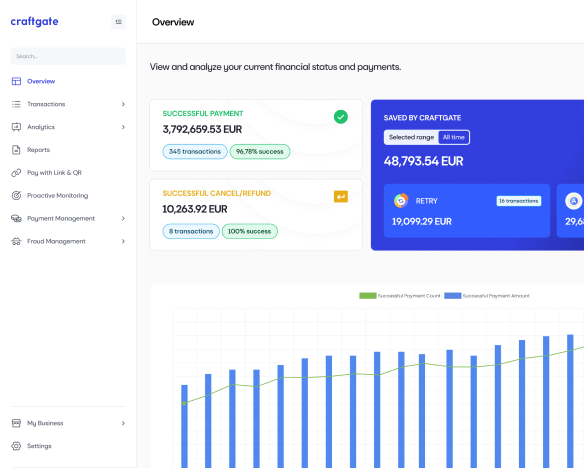
Payment orchestration brings supported provider integrations, payment routing, and related operational tools into one technical platform. This helps businesses manage their contracted providers alongside capabilities such as card storage, wallet management, and fraud controls.

Respond to Provider Downtime with Autopilot
Craftgate's Autopilot monitors virtual POS connections for signs of downtime. When a connection is affected, Autopilot temporarily deactivates it and routes incoming payment requests to an available alternative virtual POS among the business's contracted providers. It reactivates the affected connection when the issue is resolved.
This helps businesses reduce the disruption caused by provider outages and keep an alternative payment route available where their infrastructure and agreements support it. Combined with clear checkout design and appropriate payment methods, this operational flexibility supports a more reliable customer experience.
Adapt Your Payment Flow for International Markets
Expanding into another market means understanding how customers in that market prefer to pay. Familiar methods, local habits, and the requirements of the providers involved should inform the payment strategy alongside the products or services being offered.
Providers and services such as Klarna, Stripe, PayPal, Braintree, Payoneer, Afterpay, and Alipay offer different capabilities. Their availability and suitability depend on the country, merchant eligibility, commercial agreements, and the payment methods supported. Businesses should evaluate the options relevant to each target market.
Managing separate integrations can add development and operational work. Craftgate's International Payment Methods capabilities help businesses manage supported international provider connections through a single integration. This gives businesses a technical foundation for adapting their payment flows as they enter new markets.

Bring Trust, Speed, and Flexibility Together
A strong online payment experience combines appropriate security, relevant payment methods, a clear checkout, and dependable operational handling. Stored cards can reduce repetitive entry, wallet tools can support loyalty programs, and payment links can provide another way for customers to reach the payment step.
Payment orchestration helps businesses bring these capabilities together and manage their provider connections as customer needs and target markets change. Focusing on both the customer journey and the infrastructure behind it creates a more consistent basis for repeat purchases and long-term customer relationships.

Contact the Craftgate team to discuss how payment orchestration can support your business's payment experience and operations.