The experiences customers have throughout the purchasing process help shape their relationship with a brand. At the payment step, a clear interface, suitable payment options, and understandable responses to errors can make it easier for customers to complete their purchase and return in the future.
Payment orchestration helps businesses manage multiple payment providers and technologies through a single platform. This article explains how it can support the customer experience, improve payment operations, and reduce friction during checkout.
What Is Customer Experience?
Customer experience encompasses every interaction between a customer and a brand throughout the journey of purchasing a product or service. It should not be evaluated solely through the purchasing transaction. The impression a company creates before a purchase also contributes to that experience.
Post-sales processes such as delivery, returns, cancellations, support, and maintenance also influence whether the journey is positive or negative. Customer experience includes the emotions, thoughts, and actions customers associate with the brand they interact with.

What Is Payment Orchestration?
A payment orchestration platform brings integrations with banks, payment service providers, and different payment methods together in one place. It gives businesses a central point from which to manage their online payment processes and their connections to the providers they work with.
Instead of managing every integration separately, businesses can access supported providers and payment technologies through a single integration. Transactions can be routed according to the business's predefined rules and configuration, while payment results and operational information can be monitored centrally.
This flexibility becomes particularly useful as a business adds payment methods, works with more providers, or needs a clearer view of its payment operations and costs.

Why Does the Payment Step Matter for Customer Experience?
Many factors influence customer experience before, during, and after a purchase. The payment step is a particularly important point because customers are close to completing their order. A lengthy form, an unavailable payment method, or an unexplained error can interrupt that journey.
The Baymard Institute's cart abandonment research reports an average documented abandonment rate of 70.22% across 50 studies. This is an overall cart abandonment figure covering different reasons for leaving a purchase. It does not measure abandonment caused specifically by payment provider downtime.
A well-designed payment step can support customer satisfaction, strengthen trust, and make repeat purchases easier. Payment orchestration contributes by helping businesses manage the payment options, technical connections, and operational issues that affect this stage.

What Shapes the Checkout Experience?
A User-Friendly Interface
A complex or difficult-to-understand payment page can make customers struggle to complete a transaction. A user-friendly interface guides them with clear instructions, visible options, and an understandable sequence of steps.
Keep the journey focused on completing the purchase and help customers understand what to do next. For detailed design recommendations, see our guide to reducing cart abandonment and boosting conversion rates.

Appropriate Validation and Clear Feedback
Validation on the payment page helps identify missing or incorrectly entered information before the payment request is sent. Clear feedback allows customers to correct an issue and continue with their purchase.
Craftgate's experienced payment teams provide technical guidance to merchants on payment flow design and validation. This helps businesses build a user-friendly payment step and reduce avoidable failures caused by missing or incomplete validation.
Transaction Speed and a Simple Flow
Customers expect the payment process to be fast and easy to follow. Unnecessary steps, redirects, and delays can create friction when they are ready to buy.
Baymard reports that 17% of US online shoppers have abandoned an order because checkout was too long or complicated. Simplifying the form and payment journey can help address this type of friction, while payment orchestration supports the technical management of the providers involved.
Payment Options That Match Customer Preferences
Customers may prefer credit cards, debit cards, digital wallets, installment options, or buy-now-pay-later methods. These preferences can differ across markets and customer groups.
In a 2024 Stripe Sessions presentation, Stripe stated that 85% of customers abandon their cart if their preferred payment method is unavailable at checkout. The figure highlights why businesses should consider the methods their customers expect to use.
Payment orchestration reduces the integration work involved in adding supported providers and methods. Craftgate's Alternative Payment Methods solution helps businesses expand the options offered through their contracted providers. Depending on the purchase journey, Link & QR Payment Solution can also provide additional ways to complete a payment.

Payment Errors and Provider Downtime
Errors can originate from the customer's input or from technical issues in the payment systems involved. Incorrect card information and insufficient limits require different responses from a temporary outage in a virtual POS connection.
Identifying the type of failure helps businesses choose an appropriate response. Payment orchestration can support continuity during eligible technical failures and help translate provider responses into messages customers can understand.
How Does Craftgate Support a Better Customer Experience?
Craftgate brings payment integrations and operational tools together so merchants can manage their payment processes more efficiently. Its capabilities address several of the issues that can interrupt checkout or make repeat purchases more difficult.
Manage Downtime with Autopilot and Eligible Errors with Payment Retry
Autopilot monitors virtual POS connections for signs of downtime. When an outage is detected, incoming payment requests can be routed to an available alternative contracted virtual POS according to the predefined setup. The affected connection is re-enabled when it becomes operational again.
Payment Retry operates at the individual transaction level. When a transaction fails with an error eligible for retry, the system retries it through an alternative contracted provider. Errors are evaluated by type, so a customer input error is not treated in the same way as a retry-eligible technical failure.
Together, these capabilities help merchants address outages and eligible transaction errors, reducing technical interruptions that could otherwise prevent customers from completing a purchase.
Turn Provider Errors into Understandable Messages
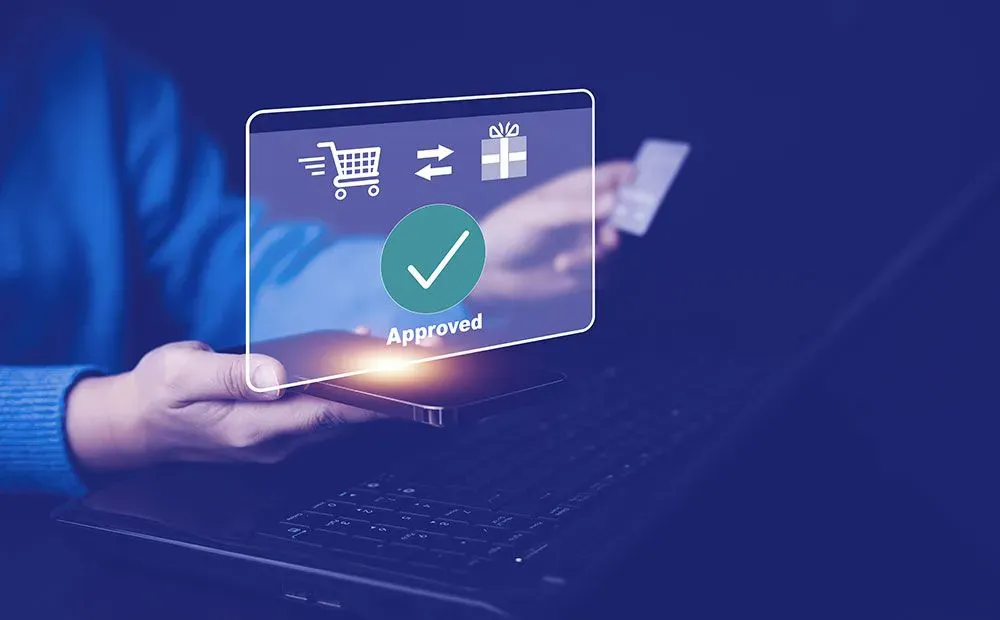
Payment providers may use different codes for the same issue, or use one code for several situations. Craftgate classifies payment errors to help merchants present clearer explanations to their customers.
Understanding whether the issue concerns card information, a card limit, or a temporary system problem helps the customer decide what to do next. This can reduce confusion and support a more useful retry or correction.
Follow Pending Payments and Investigate Order Discrepancies
A delayed response from a payment provider can leave the outcome of a transaction unclear. Customers may be concerned that a payment has been taken while their order is still missing, or may attempt the purchase again before the first result is known.
Visibility into pending transactions helps merchants investigate these situations. Craftgate's merchant tools allow teams to review payment statuses, including pending payments, and follow up on discrepancies between payment results and order records. This supports the resolution of issues such as an unconfirmed order or a possible duplicate payment.
Make Repeat Purchases Easier with Stored Cards
Re-entering card information adds effort to repeat purchases, particularly on mobile devices. Craftgate's Tokenization solution supports stored-card payments, allowing customers to pay again without entering their card details for each transaction.
The solution uses private tokenization for card storage within the merchant's own websites and mobile applications, supported by Craftgate's PCI DSS Level 1 infrastructure. A stored-card reference can be used for subsequent payments through the providers the merchant works with.
Stored cards can also support one-click and recurring payment journeys. They remain usable across supported payment service providers, giving the merchant flexibility when adding or changing a provider.
Support Loyalty with a Closed-Loop Wallet
A closed-loop wallet is designed for use within a specific merchant's ecosystem. Craftgate's Closed Loop Wallet solution allows merchants to credit refunds, points, coupons, or campaign rewards to customer wallet accounts for future purchases.
The solution also supports partial payments using wallet balances. Customers can add balance from multiple cards when a single card's limit is insufficient, helping them complete a purchase within the merchant's environment. These options can make repeat shopping more convenient and support the merchant's loyalty initiatives.

Use Centralized Analytics to Understand Payment Performance
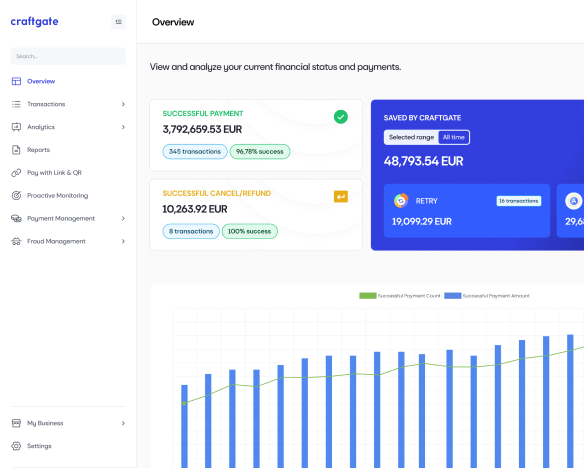
Working with several providers can make it difficult to maintain a clear view of payment results and costs. Craftgate's Advanced Merchant Panel brings transaction statuses, payment success rates, provider details, cancellations, refunds, and reporting together in one dashboard.
This visibility helps teams identify recurring issues, investigate failed transactions, and make informed decisions about their payment operations. It also reduces the need to move between separate provider dashboards when reviewing the customer's payment journey.

When Should You Consider Payment Orchestration?
The need for orchestration becomes clearer when payment management starts to limit the experience you can offer. Consider your current setup if:
- Customers cannot use the payment methods they prefer, and adding new methods requires separate integration work.
- Provider downtime and technical payment errors regularly interrupt checkout.
- Repeat customers must enter their payment details again, and your business needs stored-card or closed-loop wallet capabilities.
- Your teams struggle to compare payment results, investigate errors, or monitor costs across multiple providers.
These are the areas where a unified platform can help simplify operations while supporting a more convenient and consistent shopping experience.
Conclusion
Customer experience extends beyond payment, but checkout is an important part of the journey. Clear interfaces, appropriate payment methods, understandable error messages, and easier repeat purchases all contribute to how customers experience a business.
Payment orchestration helps merchants manage the providers and technologies behind this experience. Craftgate combines payment integrations, downtime and retry tools, stored cards, closed-loop wallets, and operational visibility to support businesses in improving their payment processes.
To discuss your business's payment experience and the solutions suited to your needs, contact our team.